
Date: February 9, 2026
Subject: Comprehensive Analysis of the National E-Mobility Transition
Prepared for: Strategic Stakeholders and Policy Makers
1. Executive Summary
Kenya has officially moved from the pilot phase into a structural transformation of its transport and industrial sectors. As of February 2026, the country has crossed the threshold of 39,000 registered electric vehicles (EVs). This transition is anchored by the National Electric Mobility Policy (2026), which aims to reduce the annual $5 billion petroleum import bill while leveraging a national grid that is now 93% renewable.
2. Public Transit: Scaling the Electric Bus (E-Bus) Fleet
The public transport sector, dominated by “Matatus,” is currently the most significant area of carbon displacement.
2.1 Key Market Players and Assembly
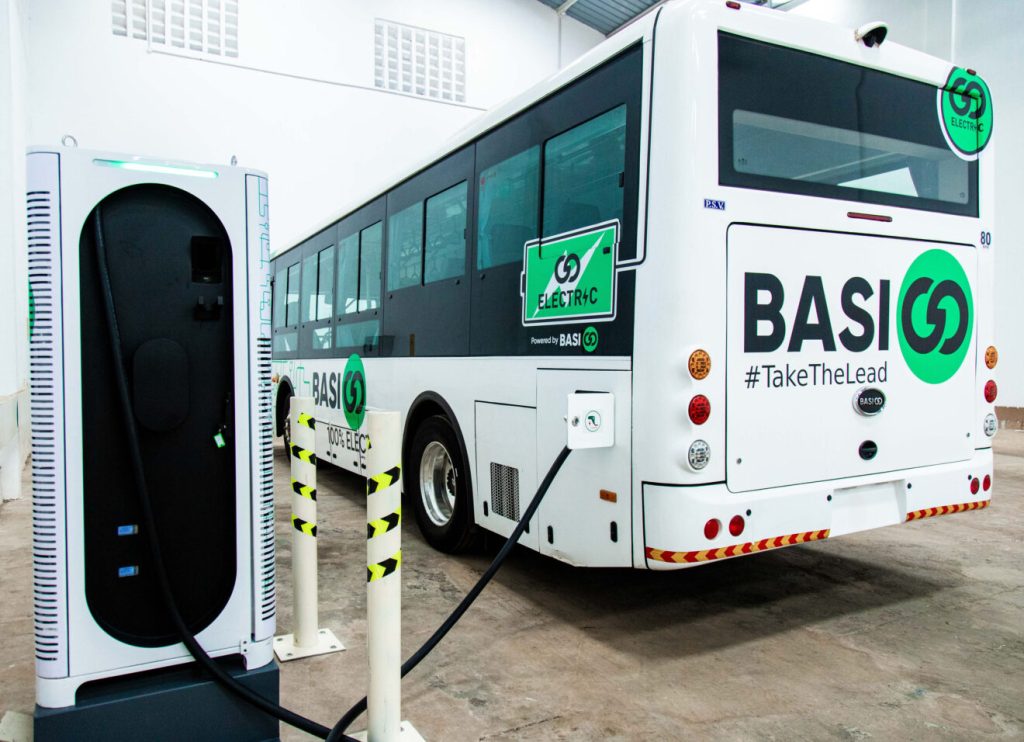
- BasiGo: Currently operates over 130 buses in Nairobi, having covered 8 million electric kilometers. The company aims to have 1,000 buses in East Africa by 2027.
- Roam: Specializes in the Roam Rapid (mass transit) and Roam Move (shuttle) models, with primary assembly occurring at the Kenya Vehicle Manufacturers (KVM) plant in Thika.
- Production Capacity: Local assembly has scaled to approximately 20 buses per month, supported by zero-rated VAT and excise duty on Completely Knocked Down (CKD) kits.
2.2 Infrastructure and Grid Support
- Charging Hubs: High-capacity depots have been commissioned in Komarock, Taj Mall, and Riruta, featuring sequential DC fast chargers capable of supporting 100 buses daily.
- E-Mobility Tariff: A specialized rate of KSh 8/kWh during off-peak hours (10 PM – 6 AM) ensures that electric buses operate at a 40–50% lower cost per kilometer than diesel.
3. The Boda-Boda (Motorcycle) Revolution
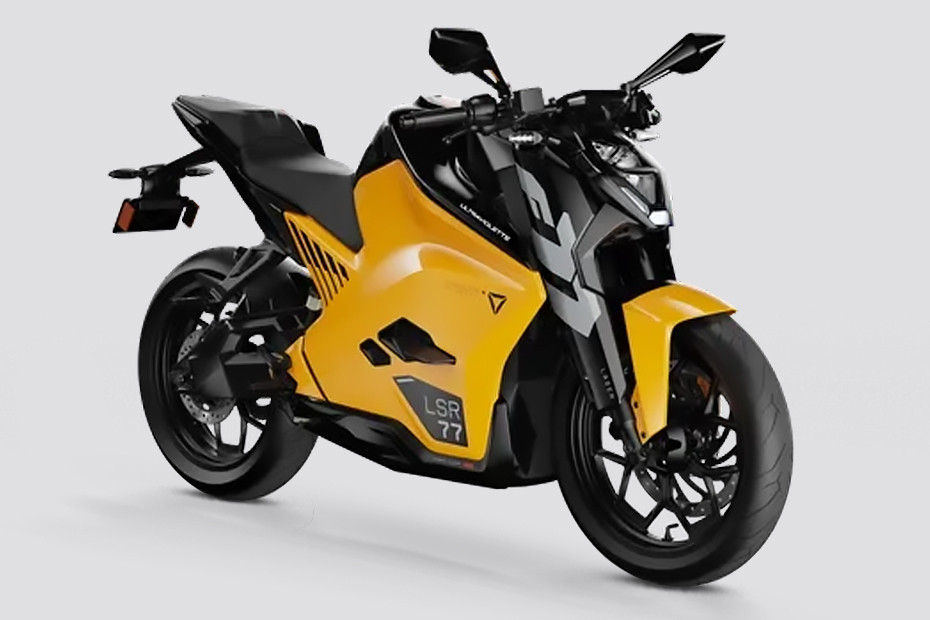
The two-wheeler segment has seen the highest percentage of growth, now serving as the backbone of last-mile delivery and rural transport.
3.1 Battery Swapping Networks
To eliminate charging downtime, the “Battery-as-a-Service” (BaaS) model has become the standard.
- Network Density: Over 450 automated swap cabinets are active in Nairobi, Kisumu, and Mombasa.
- Operational Economics: Riders incur a cost of approximately KSh 200–300 per swap, significantly lower than the equivalent petrol cost.
4. Industrial E-Mobility: Forklifts and Logistics
Industrial material handling is the “quiet” leader of the transition. Warehouses and ports have rapidly adopted electric forklifts to comply with international ESG standards.
4.1 Performance and Environment
- Zero-Emission Mandates: Essential for food, pharmaceutical, and flower export hubs (e.g., Tatu City, Africa Logistics Properties).
- Energy Efficiency: Electric forklifts utilizing Lithium Iron Phosphate (LFP) batteries allow for “opportunity charging” during operator breaks, providing 24/7 availability without the maintenance of internal combustion engines.
5. Policy and Regulatory Framework (Update Feb 2026)
The newly gazetted policy introduces several landmark mandates to accelerate adoption:
| Policy Pillar | Implementation Detail |
| Green Number Plates | Mandatory for all 100% EVs; provides preferential parking and toll access. |
| Mandatory Charging | At least 5% of parking slots in new commercial buildings must be EV-ready. |
| Tax Incentives | 0% Excise duty and zero-rated VAT on lithium-ion batteries and electric cycles. |
| Standards | KEBS has finalized interoperability standards for battery swap systems. |
Export to Sheets
6. Technical Challenges and Outlook
- Grid Stability: While generation is sufficient, localized transformer upgrades are required along major corridors (Nairobi–Mombasa, Nairobi–Eldoret).
- End-of-Life Batteries: The government is establishing a Second-Life EV Battery Market to repurpose retired batteries for grid-scale energy storage (BESS).
Conclusion
Kenya is positioned as the regional leader in green innovation. By 2027, the “Electric Hub” strategy aims to export Kenyan-assembled electric buses and motorcycles to the wider EAC and AfCFTA markets.
Next Step: Would you like me to draft a Executive Briefing Slide Deck based on this report?
This video provides a detailed look at the official launch of the 2026 E-Mobility Policy and its impact on the Kenyan economy. Cabinet approves national e-mobility policy
Cabinet approves national e-mobility policy as rollout plans take shape – YouTube