For banks and financial institutions, electrical safety is not just a compliance requirement — it is core to operational continuity, customer trust and asset protection. A single electrical fault can shut down a branch, take ATMs offline, threaten a data centre, or worse, cause a fire that endangers staff and customers.
Why financial institutions need specialist audits
Bank facilities combine high-availability requirements with dense, sensitive electrical loads: UPS systems, server rooms, security and surveillance, ATMs and 24/7 branch operations. These environments demand audits that go far beyond a basic inspection.
- Branch-by-branch consistency across large networks
- Protection of UPS, server rooms and critical IT loads
- ATM and self-service lobby power reliability
- Fire risk reduction and insurance compliance
- Minimal disruption to live banking operations
What a bank-grade audit covers
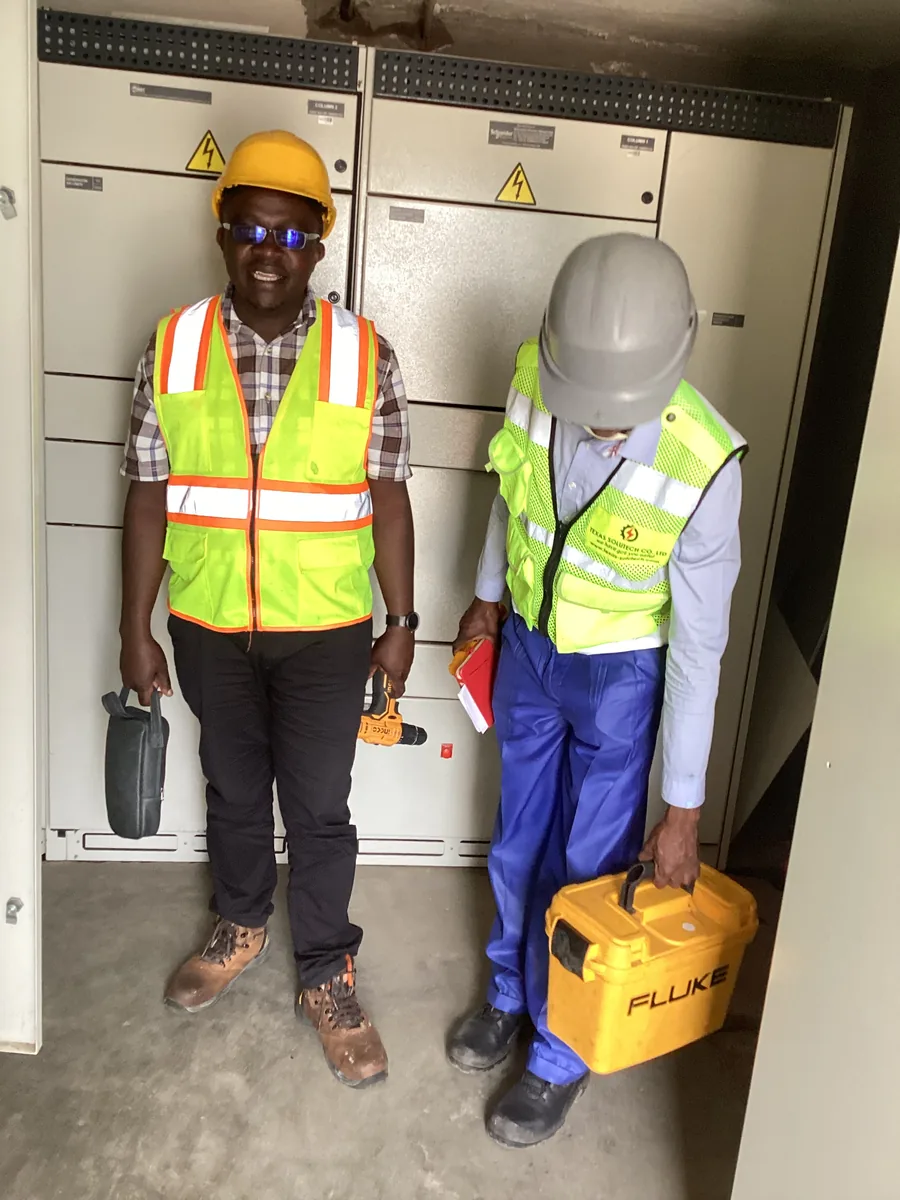
Our certified engineers assess the full electrical installation against national and international standards — wiring condition, earthing and bonding, protective devices, load balancing, and thermographic scanning to catch hot spots before they fail. Every finding is risk-rated and prioritised into a clear remedial roadmap.
For a bank, the cost of an audit is trivial next to the cost of an avoidable outage or fire.
Confidentiality and standardisation
We treat client data and site information with strict confidentiality, and we standardise reporting across entire branch networks so leadership gets a single, comparable view of risk and compliance status. That consistency is what allows boards and risk committees to act with confidence.
If your institution operates multiple sites, talk to us about a network-wide audit programme tailored to your risk appetite and reporting cycle.